
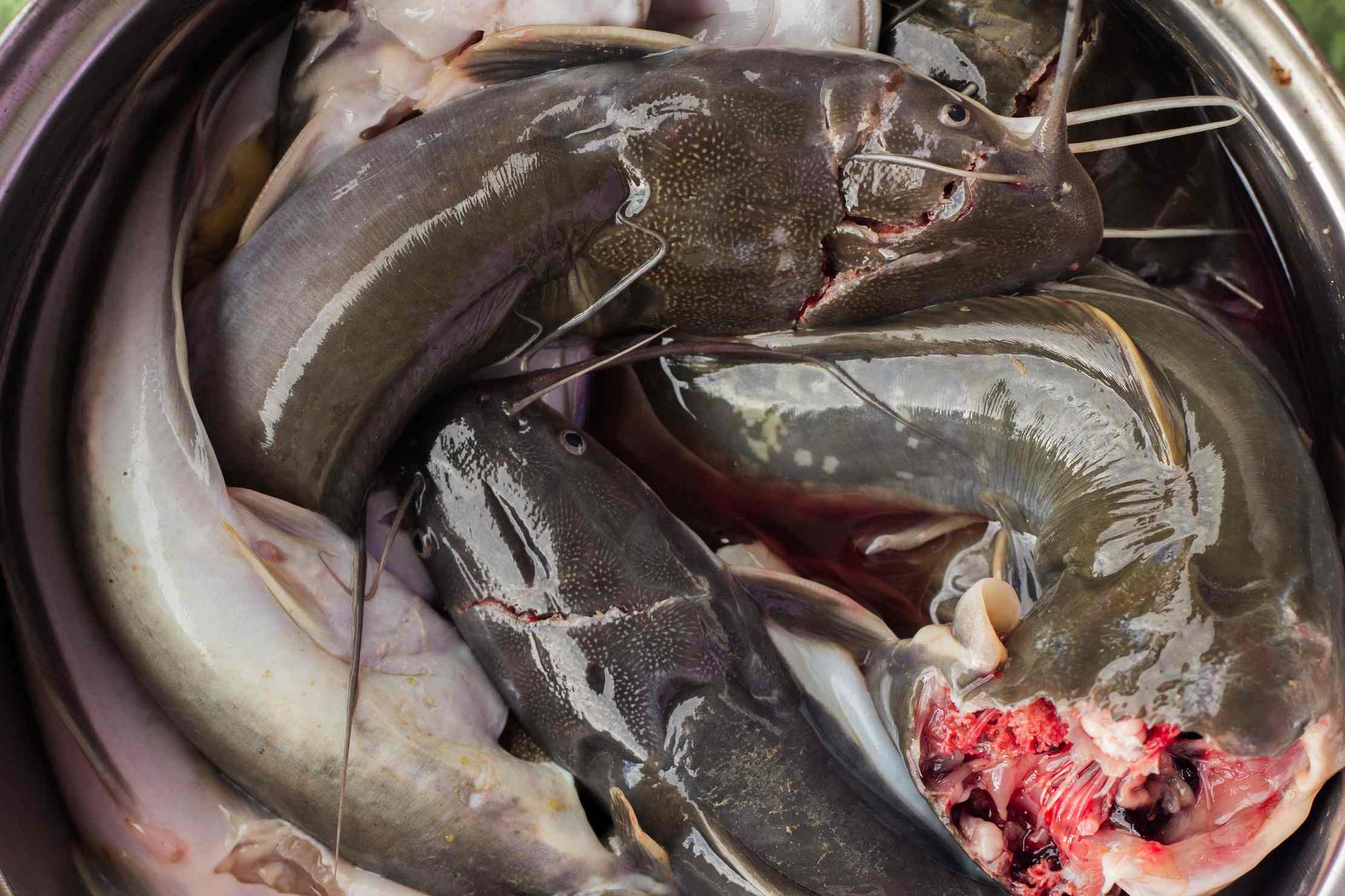
Imagine this scenario: You have harvested 50 kilograms of fresh Tilapia from your ponds in Bushenyi. You hire a boda boda or a pickup truck and rush to a top hotel in Mbarara, hoping to sell your catch. The fish are fresh, they were swimming just two hours ago. Yet, the procurement manager takes one look at your sack of fish and shakes his head. “No thanks,” he says. “Not today.”
Why? Your fish are fresh, and your price is fair. So, what went wrong?
At Dynagric Eco Tours, we have studied the supply chain extensively. We have learned that selling to premium markets—like hotels in Mbarara, lodges near Queen Elizabeth National Park, or restaurants in Ishaka—requires more than just “having fish.” It requires understanding the business of hospitality.
Here is what hotels really want from their suppliers, and how you can secure those lucrative contracts.
1. Consistency is More Important than Price The number one reason hotels fire their fish suppliers is not price; it is inconsistency. A hotel menu does not change. If the menu says “Whole Fried Tilapia” is available, the chef needs it to be available every single day.
2. Size Matters: The “Plate Coverage” Rule When a chef calculates the price of a meal, they base it on a specific weight.
3. The Cold Chain: Freshness is Non-Negotiable How you transport your fish tells the buyer everything about your professionalism. Delivering fish in a dirty sack or a plastic basin exposed to the sun is a guarantee of rejection. Hotels look for the “Cold Chain.” This means the fish leaves your pond, goes immediately into ice, travels in a clean cooler box, and arrives cold. If the eyes are sunken or the gills are brown due to poor transport, no professional chef will accept them, no matter how cheap they are.
4. Documentation and Formal Payment Formal businesses (hotels) deal in invoices and receipts, not cash handshakes. They often pay on credit (e.g., two weeks or 30 days later). Small farmers often demand “cash on delivery.” To supply the big players, you must have the financial discipline to wait for payment and the organizational skills to issue proper receipts.
Conclusion: Reliability Wins the Contract The secret to dominating the fish market in Western Uganda is simple: Be reliable. If you promise 50kgs of 500g Tilapia at 10:00 AM on Friday, deliver exactly that. If you can build a reputation for reliability, quality, and consistency, hotels will not only buy from you—they will pay a premium for your service.
Struggling to meet these strict requirements? This is where Dynagric Eco Tours helps. We act as a bridge, buying bulk biomass from farmers and handling the processing, grading, and logistics to meet hotel standards. Contact us to learn how you can be part of our supply network.